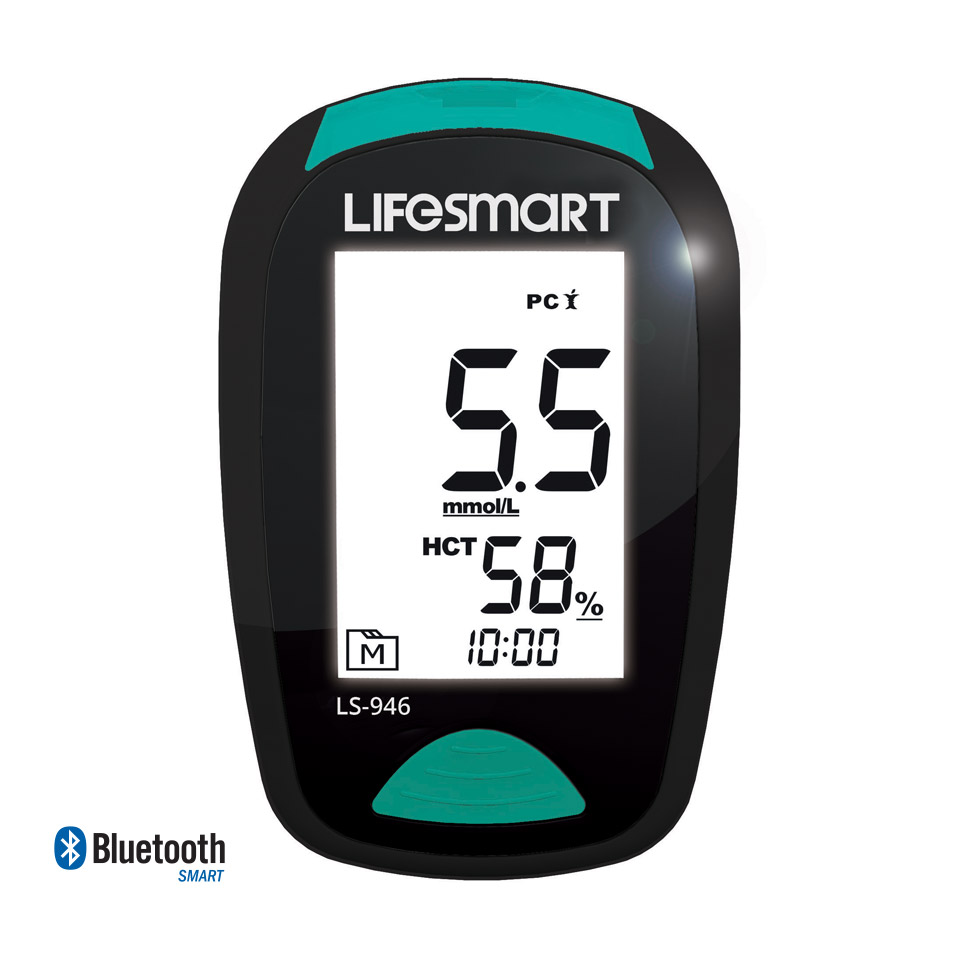
What hematocrit is
Hematocrit is the proportion of your blood made up of red blood cells, usually written as a percentage.
Blood is cells suspended in fluid. The more of it is cells, the thicker it behaves. The less of it is cells, the thinner. That ratio varies between people and changes with health, hydration and altitude.
It is measured in an ordinary blood test, and most people never think about it.
Why a glucose meter cares
A test strip does not measure the glucose in your whole drop of blood. It measures glucose in the fluid part, after the sample has spread through the strip.
So the ratio of cells to fluid changes the result:
- Low hematocrit, fewer red cells, can produce a reading that is abnormally high
- High hematocrit, more red cells, tends to push a reading the other way
The glucose in your body has not changed. The meter is reading the same blood differently because the sample behaves differently.
This is normal for the technology rather than a fault, and it is why meters state a hematocrit range they are validated across.
Who this actually affects
Most people, most of the time, sit within the normal range and never notice.
It matters more if you have:
- Anaemia, or any condition that lowers red cell count
- Kidney disease, where anaemia is common
- Dehydration, which concentrates the blood temporarily
- A condition raising red cell count
If your readings do not match how you feel, or do not match what your doctor measures in a laboratory test, hematocrit is one of the explanations worth raising with them.
The practical version
You do not need to know your hematocrit to use a meter. What is useful is knowing the effect exists, because it changes what you do when a reading surprises you.
If a reading looks wrong:
- Check your technique first. Not enough blood, a strip past its expiry, a dirty finger or squeezing the fingertip hard can all shift a result further than hematocrit will.
- Wash and dry your hands and test again. Traces of food or sweetener on a fingertip are a common cause of an unexpectedly high reading.
- Check the strips are in date, the right type for the meter, and have been stored in their own sealed pot.
- Use control solution to confirm the meter and strips are working together properly.
- If readings still do not match how you feel, or do not match your doctor's results, speak to your diabetes team. Do not change anything about your treatment on the basis of a single surprising number.
Why the validated range matters when choosing a meter
Every meter states a hematocrit range it has been validated across. Outside that range, the manufacturer is not claiming the reading holds up.
Most meters quote a band around the middle of normal, which covers most adults in good health. It is the people at the edges who get caught out, and they are exactly the people most likely to be testing.
The LifeSmart Smart Blood Glucose plus Ketone system states a hematocrit range of 0% to 70%, which is wide enough to cover use from infants through to older adults.
That is worth checking on any meter you are considering, and it is rarely on the front of the box. A wide validated range means fewer situations in which the number on the screen needs a caveat.
The reason to mention any of this is simple. An accuracy issue you know about is something you can allow for. One you have never heard of just looks like a broken meter, or worse, gets treated as a real change in your glucose.
Frequently asked questions
Should I ask for a hematocrit test before using a meter? No. It is not a prerequisite. It becomes relevant if your readings consistently disagree with laboratory results.
Does this mean home meters are unreliable? No. Home meters are accurate within a defined range and are designed for day to day monitoring. A laboratory test is a different measurement and the two are not expected to match exactly.
Could dehydration change my reading? It can affect hematocrit temporarily. Drinking normally and testing again is sensible before drawing conclusions.
What is control solution for? It is a liquid with a known glucose value. Testing it confirms the meter and strips are reading correctly, which separates a device problem from a real change.
This article is general information, not medical advice. It does not tell you what your readings should be or what to do about them. Always follow the instructions supplied with your meter and the advice of your doctor or diabetes team.