What ketones are
When the body cannot get enough glucose into its cells to use as fuel, it breaks down fat instead. Ketones are the by-product of that process.
A small amount is normal. The concern is when they build up faster than the body clears them, which in diabetes can happen when there is not enough insulin available.
Left unchecked, that build-up can lead to diabetic ketoacidosis, usually shortened to DKA, which is a medical emergency.
That is the whole reason ketone testing exists. It is an early warning for something that gets serious quickly.
Ketosis is not ketoacidosis
Two words that sound alike, describing very different situations.
Ketosis is what happens when the body runs low on carbohydrate and starts using fat for fuel instead. Ketones rise while blood glucose stays normal or low. The instructions supplied with the meter note that ketone levels may increase if a person fasts or exercises vigorously.
Diabetic ketoacidosis, usually shortened to DKA, is a medical emergency. There is not enough insulin for the body to use glucose at all, so glucose builds up in the blood while ketones climb at the same time, and the blood turns acidic. It develops over hours and needs hospital treatment.
The difference is in what the two numbers are doing together.
| Blood glucose | Blood ketones | |
|---|---|---|
| Ketosis | Normal or low | Raised |
| Diabetic ketoacidosis | Often high, but not always | High |
That is why a meter reading both tells you more than one reading either on its own. A ketone number by itself does not say which of the two situations you are in. A glucose number beside it does.
What to do about a raised ketone reading is set out in the instructions supplied with your meter, and those instructions are the ones to follow.
Blood ketones against urine ketones
Both exist. They are not equivalent.
Urine strips measure ketones your body has already cleared. The result reflects a period that has passed, so it lags behind what is happening now, and it can read positive after the situation has improved.
Blood ketone strips measure what is in your blood at the moment of the test. For a situation that can change over hours, current is considerably more useful than historical.
If the point of testing is to catch a problem early, a blood test is the one that tells you where you are rather than where you were.
When ketone testing comes up
Your doctor or diabetes team decides whether you should test for ketones and when. Typically it is raised in situations such as illness, unusually high glucose readings, or symptoms that suggest something is wrong.
What this page will not do is give you thresholds or tell you when to act. Those numbers belong in your own management plan, from your own team, because they differ between people and between circumstances.
If you are unwell, have symptoms you are worried about, or get a result that concerns you, contact your doctor or go to hospital. Ketones are the one area of home testing where the right response to uncertainty is to seek help rather than test again.
Why one meter for both is worth it
Glucose and ketones are usually relevant at the same time. The moment ketone testing matters is normally a moment when glucose is already being watched closely.
A single meter that does both means:
- One device to find, charge and keep working
- One technique to remember, rather than two
- No second meter sitting in a drawer with expired strips, which is what usually happens to a ketone-only device bought in a hurry
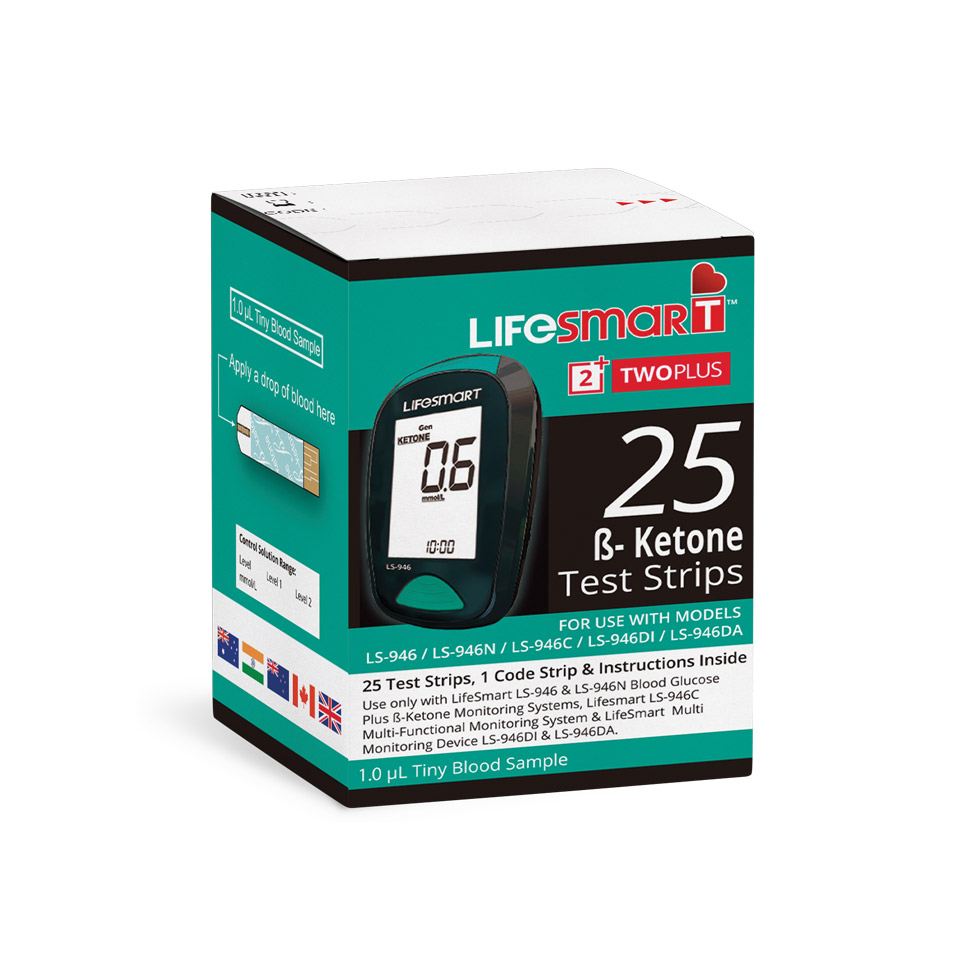
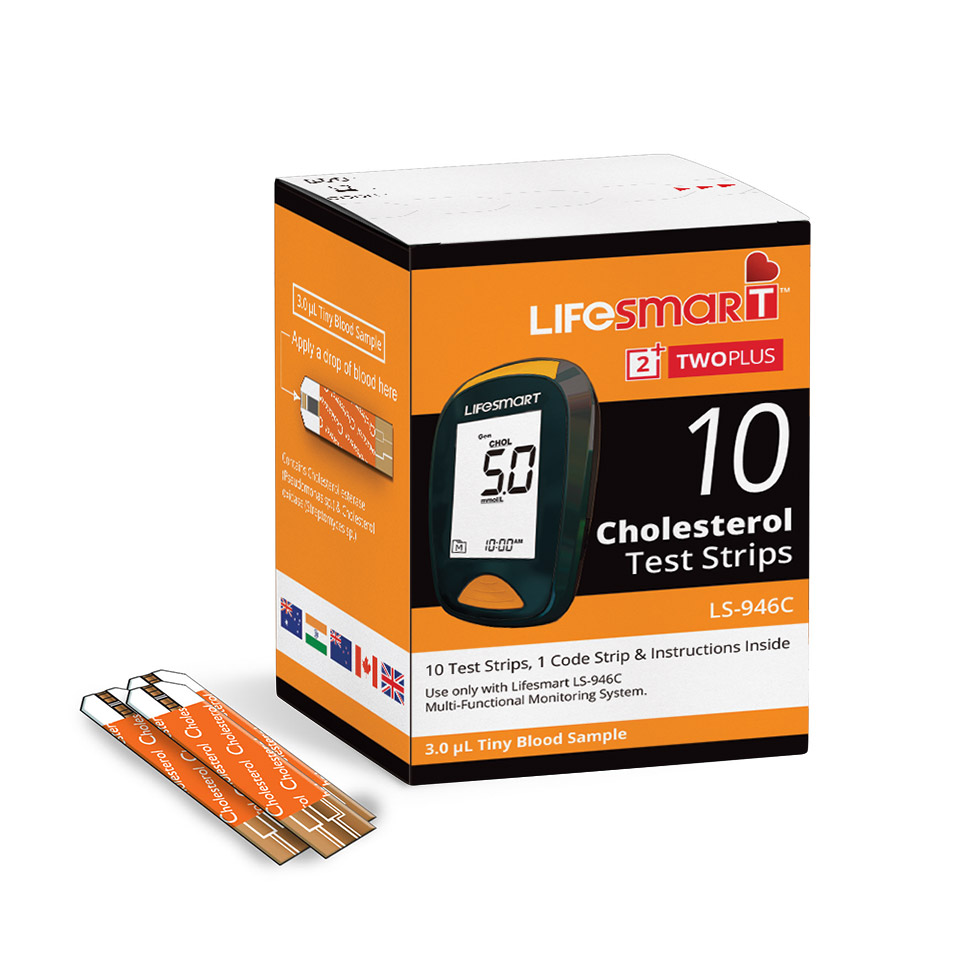
The LifeSmart Smart Blood Glucose plus Ketone Monitor System does both, with the strip type determining the test. It is available with Bluetooth or without.
Keeping ketone strips usable
This is the quiet problem with ketone testing. The strips are bought less frequently, so there can be a risk of them going out of date.
- Check the expiry date periodically, not when you need them
- Store them in their original sealed container, closed, away from heat and moisture
- Do not decant them into another pot or a pill organiser
- Note the date you opened the pot, as some strips have a shorter life once opened
A good habit is to check the ketone strips whenever you reorder glucose strips, so the two stay in step.
Frequently asked questions
What is the difference between ketone strips and glucose strips? They are different strips testing different things, and they are not interchangeable. Use the strip type the meter asks for.
Do I need to test for ketones if I have type 2 diabetes? That is a question for your doctor. Whether ketone testing is part of your plan depends on your treatment and circumstances.
Can I use urine strips instead? They measure something slightly different and lag behind the current situation. Ask your diabetes team which they want you using.
My ketone result is high. What do I do? Follow your management plan and contact your doctor. If you are unwell, seek medical help rather than retesting and waiting.
This article is general information, not medical advice. It does not provide thresholds, targets or treatment guidance. Always follow the instructions supplied with your meter and the advice of your doctor or diabetes team. If you are unwell or concerned, seek medical help.